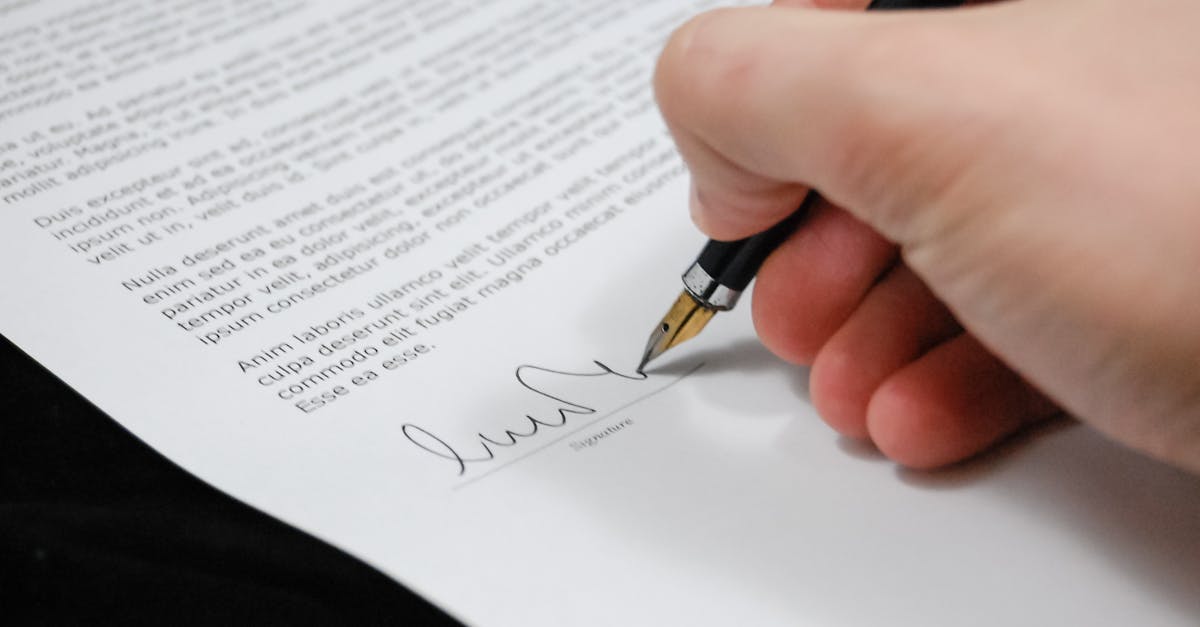
Drafting legal documents
Markhoff and Mittman - Goshen offers expert legal services in drafting a variety of legal documents. Their experienced team of lawyers has a deep understanding of complex legal terminology and regulations, ensuring that all documents are prepared accurately and in compliance with the law. Whether it is contracts, agreements, deeds, wills, or other legal documents, clients can rely on Markhoff and Mittman - Goshen to provide thorough and professional drafting services. With attention to detail and a commitment to excellence, they strive to meet the unique needs of each client, delivering high-quality legal documents tailored to their specific requirements. Trust Markhoff and Mittman - Goshen for all your legal document drafting needs.
Legal Document Review Process
Legal document review is a critical phase in the legal drafting process, ensuring the accuracy and integrity of the final product. This meticulous review involves scrutinizing the document for compliance with relevant regulations and laws, as well as verifying the use of proper legal terminology and formatting. Through this process, legal professionals strive to eliminate any ambiguities, inaccuracies, or inconsistencies that could potentially compromise the document's effectiveness in litigation or other legal proceedings.
Moreover, legal document review is not only about addressing technical aspects but also about ensuring the clarity and readability of the content. This includes checking for grammatical errors, utilizing the active voice to enhance clarity, and structuring the document in a logical manner. By focusing on these details during the review process, legal professionals can create documents that effectively convey the intended message while adhering to the highest standards of legal writing and professionalism.
Ensuring Accuracy through Document Review
Accuracy in legal documents is paramount to ensure that the intentions and terms outlined within the text are precise and reflective of the involved parties' agreement. To uphold this accuracy, thorough document review is imperative. This process involves a meticulous examination of each clause, term, and provision to guarantee that there are no errors, ambiguities, or inconsistencies that could potentially lead to misunderstandings or legal disputes. Through a comprehensive review, legal professionals can address any discrepancies or language that may be open to misinterpretation.
Additionally, document review plays a crucial role in verifying the compliance of legal documents with relevant laws and regulations. By carefully scrutinizing each aspect of the text, lawyers can ensure that all legal requirements are met, thus safeguarding the validity and enforceability of the document. This meticulous approach not only enhances the accuracy of legal documents but also provides clients with the assurance that their agreements are legally sound and in alignment with governing statutes.
Role of Technology in Legal Drafting
Technology has become an indispensable tool in modern legal drafting processes. By utilizing specialized software, legal professionals can streamline their workflow, increase efficiency, and reduce errors in their documents. Automation features such as templates, predefined clauses, and document assembly tools help speed up the drafting process, allowing lawyers to focus more on decision-making processes rather than manual data entry. Moreover, these tools provide the capability to customize documents according to specific needs, whether it be in trade, medico-legal cases, or any other area of law.
In addition to automation, technology offers the advantage of improved accuracy through proofreading and citation checks. Software tools can quickly scan documents for inconsistencies, fallacies, or compliance issues, ensuring that legal documents are error-free and adhere to established precedents and legal standards. This not only enhances the quality of the final product but also minimizes the risk of costly mistakes that could impact the outcome of cases or transactions. By incorporating technology into legal drafting, professionals can navigate the complexity of legal processes more efficiently and deliver high-quality work that meets the expectations of clients and regulatory bodies.
Utilizing Software for Efficient Drafting Processes
Utilizing software for efficient drafting processes in the legal profession has become increasingly commonplace in recent years. Legal professionals are turning to technology to streamline the drafting of various documents, ranging from legal contracts to briefs and complaints. By leveraging specialized software, lawyers can access pre-written templates, legal language libraries, and even analytics tools that help ensure accuracy and adherence to legal concepts. This not only saves time but also minimizes the risk of errors that could have significant implications on legal proceedings.
Moreover, software designed for legal drafting allows for the incorporation of user-friendly interfaces and interactive features that enhance reading comprehension for all parties involved. From creating binding agreements and trusts to managing intellectual property rights and compliance requirements, the use of advanced software can simplify complex legal processes. In addition, the ability to incorporate templates for advance directives, powers of attorney, and other legal documents ensures that all necessary components are included while reducing the time spent on manual document creation. This shift towards automation not only boosts efficiency but also allows legal professionals to focus more on strategic aspects of their work, ultimately leading to better outcomes for clients and improved risk management for legal firms.
Compliance with Legal Regulations
Compliance with legal regulations is a crucial aspect of drafting legal documents to ensure that all requirements are met and potential risks are minimized. Conducting thorough risk assessments and integrating decision-making processes into the drafting phase can help in identifying and addressing compliance issues proactively. For instance, when drafting contracts such as employment agreements or non-disclosure agreements, it is essential to consider the specific regulations governing those areas to avoid any legal liabilities in the future.
Legal professionals need to pay close attention to the legal requirements governing different types of documents, such as wills, leases, supply chain agreements, or equity financings. Adherence to applicable laws and regulations is paramount to safeguard the interests of all parties involved. Using technology such as AI-powered software can assist in automating the compliance checking process and ensuring that the drafted documents align with the necessary legal standards. By leveraging AI tools to analyze data and identify potential areas of non-compliance, legal professionals can enhance the accuracy and effectiveness of their drafting processes while minimizing the chances of errors and legal disputes down the line.
Ensuring Document Adherence to Applicable Laws
When it comes to ensuring document adherence to applicable laws, legal professionals must meticulously review and analyze each clause, statement, and provision within the document to guarantee compliance with relevant regulations. This process involves a comprehensive examination of the legal framework governing the subject matter of the document, including statutory laws, case precedents, and industry-specific regulations. By conducting a thorough review, lawyers can identify any potential legal risks, inconsistencies, or discrepancies that may arise and address them promptly to mitigate legal liabilities.
Moreover, legal professionals should pay close attention to the nuances of specific legal terms and concepts to prevent misinterpretation or ambiguity within the document. Clarity and precision in language play a crucial role in ensuring that the document accurately reflects the parties' intentions and adheres to the applicable legal norms. By meticulously drafting and reviewing each provision with a keen eye for detail, lawyers can minimize the likelihood of disputes or challenges based on misinterpretations of the document's legal implications.
FAQS
What is the importance of the legal document review process?
The legal document review process is crucial to ensure accuracy, consistency, and compliance with legal regulations.
How can I ensure accuracy through document review?
To ensure accuracy through document review, it is essential to pay attention to detail, cross-reference information, and seek feedback from legal experts if needed.
What role does technology play in legal drafting?
Technology plays a significant role in legal drafting by providing tools and software that enhance efficiency, accuracy, and collaboration in the drafting process.
How can I utilize software for efficient drafting processes?
By leveraging software tools such as document automation, contract management systems, and proofreading software, you can streamline the drafting process and reduce errors.
Why is compliance with legal regulations important in drafting legal documents?
Compliance with legal regulations is essential to ensure that the drafted documents adhere to applicable laws, mitigate risks, and protect the interests of all parties involved.